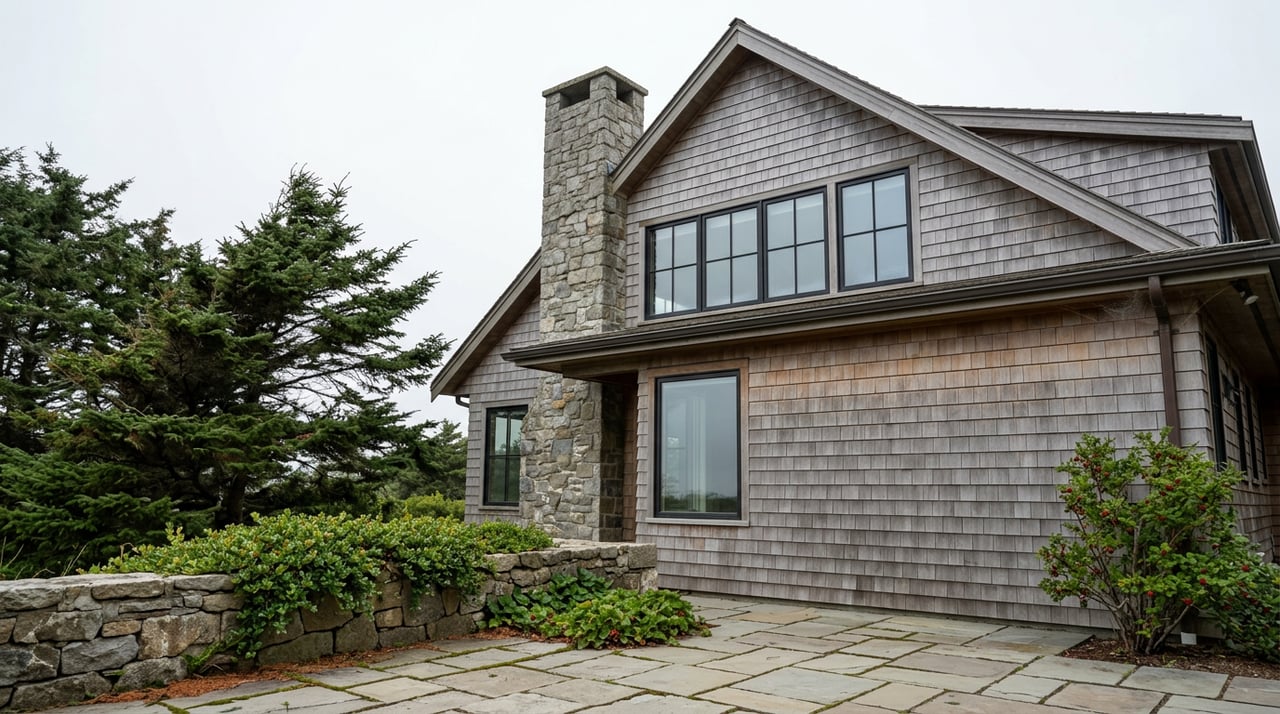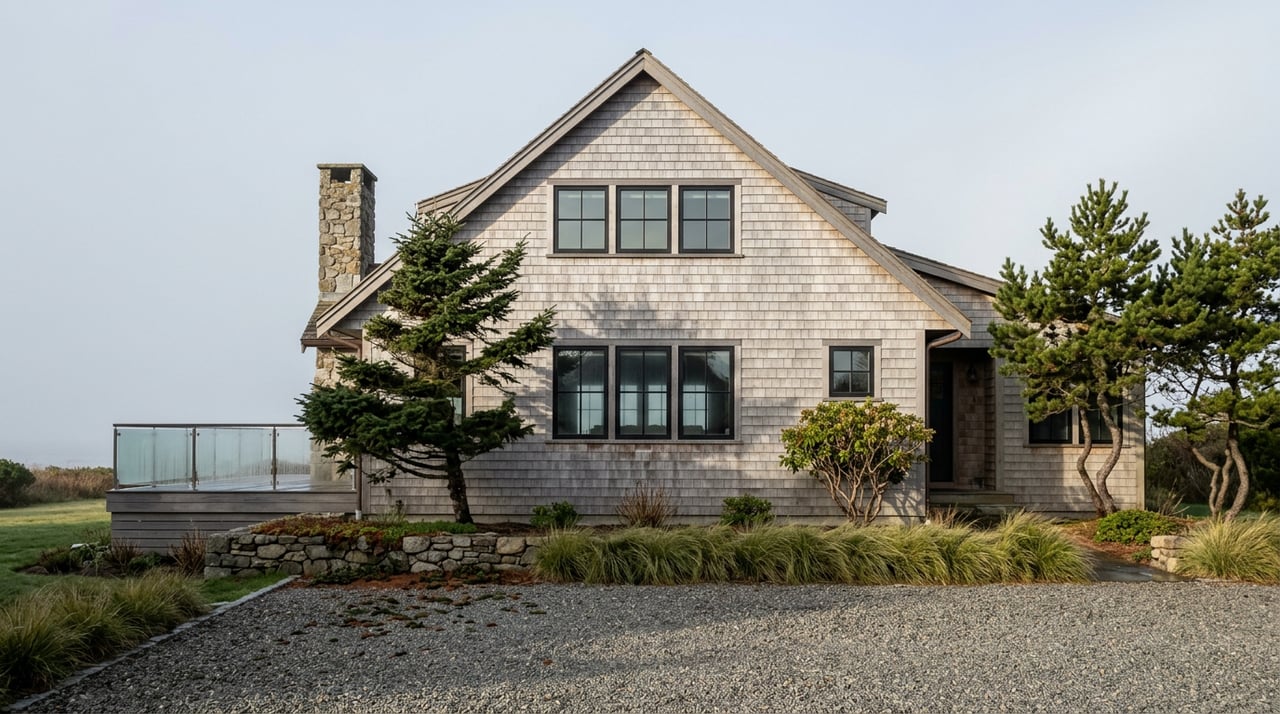
Picture a listing for a Lincoln City beach house that mentions current short-term rental income, maybe a screenshot of last year's bookings, a line about "STR approved." A buyer comparing that home against a similar one down the street, priced the same but silent on rental history, has every reason to assume the first house comes with a built-in income stream and the second one doesn't. In most of Lincoln City, that assumption is wrong in a way that matters.
The city's short-term rental system doesn't attach the license to the property. It attaches to the person who holds it, and in the two residential zones where most single-family rentals operate, that license generally doesn't survive a sale. What a buyer is actually purchasing, in many cases, is a house that used to have rental income under someone else's paperwork.
The two zones that decide everything
Lincoln City permits short-term rentals in specific zoning districts, and two of the most common residential zones have hit a hard ceiling. According to the City of Lincoln City's own STR page, the R1-5 zone is capped at 194 licenses and the R1-RE zone, which covers the Roads End neighborhood, is capped at 91. Both caps have been reached. No new licenses will be issued in either zone until the number of active licenses falls below the ceiling.
| Zone | License cap | Status (2026) | What makes it different |
|---|---|---|---|
| R1-5 | 194 | Full, no new licenses | Standard residential zone, applies across most of the city |
| R1-RE (Roads End) | 91 | Full, no new licenses | Carries a separate legal nonconforming rule dating to 2017 |
That single fact reframes what a listing photo of a busy booking calendar actually means. It's evidence of past performance under a specific license, not a guarantee of future performance under new ownership.
What "approved" actually promises
Getting a Lincoln City short-term rental legally running takes two separate steps: land use approval from the Planning & Community Development Department, followed by an annual operating license. The city's R1-RE zone page walks through the application packet required just to get to that first approval, before the operating license is even in play.
Here's the part that catches buyers off guard: nothing in that process is written to move with a deed. The city's own carve-out for Roads End proves the point by exception. Properties with vacation rental licenses that existed, or had complete applications on file, as of November 23, 2017 were allowed to keep operating without nightly limits as legal nonconforming uses, and the ordinance specifically permitted those properties to be sold once within seven years of that date without losing that status. Writing in a resale exception only makes sense if the ordinance assumes a sale would otherwise end the arrangement. Outside of that narrow, dated carve-out, Lincoln City's rules don't promise a buyer that an existing STR approval comes along with the purchase.
The Roads End window already closed
Seven years from November 23, 2017 lands on November 23, 2024. That date has already passed, by close to two years as of this writing.
Anyone shopping Roads End on the premise that "it's grandfathered, so it transfers" is working from an exception that no longer applies to a first sale in the way it once did. The Roads End Improvement Association, the neighborhood group that has tracked this rule for its residents for years, still summarizes the same council action and the same seven-year window on its own page. What the city's public materials don't spell out clearly is what happens to a Roads End nonconforming license the next time one of these properties changes hands now that the resale window is closed. That's not a detail to guess at. It's a detail to confirm directly with the Planning & Community Development Department before writing an offer that assumes rental income comes with the address.
A tighter system than the rest of the county
Buyers comparing Lincoln City against other stretches of the coast sometimes assume Oregon's vacation rental rules are roughly the same everywhere. They aren't, and the difference tells you something about where scarcity is actually building.
Unincorporated Lincoln County runs a separate program, divided into seven regions, with its own licensing authority through the Sheriff's Office. County commissioners voted in early 2025 to trim the number of available licenses in two of those regions rather than issue the 17 that had opened up, according to reporting from the Lincoln Chronicle. The same reporting noted that five of the seven regions have waitlists so long that new licenses aren't expected to become available for decades, with roughly two dozen property owners waiting in line in each of the affected zones.
Lincoln City sits outside all of that. A 2021 countywide ballot measure aimed at phasing out most vacation rentals in unincorporated residential zones specifically did not apply within the city limits of Lincoln City, Depoe Bay, Newport, and several other coastal cities, as the Newport News Times reported at the time. Lincoln City has run its own cap-and-license system independently of that fight for years. The caps are full and the process is deliberate, but at least a buyer knows exactly where the ceiling is. In the unincorporated county, the ceiling keeps moving as commissioners revisit the rules.
What to confirm before you write an offer
If rental income is part of why a property appeals to you, a few questions are worth answering before the number in the listing becomes a number in your offer:
- Does the zoning designation on this specific address fall under a capped zone, and is that cap currently full?
- Is there an existing STR license on the property, and does the seller's listing agent have documentation of both the land use approval and the current operating license, not just booking screenshots?
- If the property is in Roads End, does it still carry legal nonconforming status, and what does the city's Planning Department say happens to that status on the next sale?
- If no license currently exists and the zone is capped, are you prepared to buy the house on its merits as a residence, with no near-term path to adding rental income?
None of these questions are unusual to ask. They're the same questions a careful buyer asks about a well, a septic system, or a title exception. The license just happens to be the piece of paper most likely to get skipped over in the excitement of an ocean view.
A few common questions
Does a Lincoln City STR license automatically transfer when a property sells? Generally, no. Licenses in capped zones like R1-5 and R1-RE are tied to the current holder, and the city's own carve-outs for Roads End only made sense because a sale would otherwise end nonconforming status. Confirm directly with Planning & Community Development for any specific address.
What if I buy a house in a capped zone with no existing license? You'd be added to a waitlist for that zone, and the city's page notes new licenses aren't issued until the total drops below the cap. Given how long county waitlists have run in similar zones, this isn't a short-term plan.
Are the rules the same throughout Lincoln County? No. Lincoln City, Depoe Bay, Newport, and other incorporated cities each run their own systems, separate from the county's program for unincorporated areas. The county's regional caps and waitlists, tracked on its Short Term Rental Licensing page, work differently from the city-limits process.
If you're weighing a Lincoln City purchase with an eye toward rental income, or you already own a property here and want a clear read on where its license actually stands, I'm happy to walk through what your zoning and paperwork mean for the sale ahead. As always with coastal ownership, the details are worth getting right before you're the one holding the license.
Joni Jackson — Let's Connect.